Can I See Writer Credentials?
You can view anonymized writer profiles, highlighting their degrees and expertise, to feel confident in who is handling your paper. This transparency helps you choose the best fit for your needs. Each profile showcases years of experience and specialization areas for informed decision-making. Our team ensures every writer meets high academic standards. Assignment writer credentials include verified degrees and proven subject mastery.
A Discussion of the Techniques, Advantages and Disadvantages of the use of Plants in Production of Recombinant Antibodies for Research and Therapeutic use with Named Examples
Since Kohler and Milstein demonstrated the production of monoclonal antibodies (mAbs) from mouse hybridoma cells (1975) these proteins have become important tools for diagnostics, research and human therapy. As of November 2014 there were 47 mAbs licenced for use in the USA or Europe, with a current approval rate of about four per year. Worldwide sales of these products are expected to reach £82 billion by 2020 (Ecker et al., 2014).
MAb-based therapies have transformed the treatment of a variety of human diseases. Drugs such as infliximab and adalimumab are routinely prescribed for autoimmune diseases such as rheumatoid arthritis and Crohn’s disease. Rituximab and trastuzumab (Herceptin) have made significant contributions to the advances in treatment of non-Hodgkins lymphoma and breast cancer respectively. Exciting breakthroughs in medical treatments are often attributed to developments in mAbs, such as the recent study showing a reduction in tumour size in 61% of untreated advanced melanoma patients given treatment with ipilimumab and nivolumab compared to 11% in patients given ipilimumab treatment alone (Postow et al., 2015).
Initially, rodent produced mAbs were immunogenic in humans and their ability to trigger the usual immune cascades (complement- and antibody-dependent cytotoxicitiy) were less than that of human-derived antibodies. These issues were overcome by the introduction of “humanised” antibodies (De Muynck et al., 2010) (Table 1). Since then many systems have been developed to aid large scale production of mAbs, each of which has its own limitations (Shokouh et al., 2005):
What If I Need Last-Minute Changes?
No problem! Request revisions anytime within 7 days, and we will tweak your paper quickly to meet your needs, free of charge. Our flexible process keeps your paper on track. Whether it is formatting adjustments or content refinements, we handle changes efficiently. Just update your order details in your account. Essay helper support ensures quick turnaround on modification requests without hassle.
- Bacteria can be used to produce antibody fragments only as they are unable to perform the post-translational modifications required to produce active, full size antibodies.
- Yeast systems produce low yields of antibody and cannot perform adequate post-translational modifications.
- Animal systems can produce adequate yields but there is the danger of zoonotic pathogens being present. Expression of mAbs can also be extremely slow (Haitt and Pauly, 2006).
- Mamalian cell culture is the current industry standard for production of mAbs. However it is very expensive, requiring significant up-front investment in machinery, and production is slow. Scalability has also been brought into question.
|
Source
|
First mAb Approved for Human Use
|
Antibody Name Endings
|
|
Mouse Do You Handle Interdisciplinary Topics?Yes, our writers with diverse expertise can blend fields like psychology and sociology, delivering cohesive papers for complex assignments. We ensure every angle is covered with precision. Cross-disciplinary research requires special skill in integrating multiple perspectives seamlessly. Share your topic details for a tailored approach. Ace my homework challenges involving multiple disciplines with our versatile academic team.
|
Muromonab (1986)
|
-omab
|
|
Chimeric
|
Abiciximab (1994)
|
-ximab How Do You Define Originality?Originality means crafting every paper from scratch, with unique content and proper citations, verified by plagiarism checks for 95%+ uniqueness. You will receive a free originality report with every order. Our zero-tolerance policy for copied content ensures your paper is academically authentic. We guarantee your paper is one-of-a-kind. Paper writing excellence demands complete originality in every sentence we produce.
|
|
Humanised
|
Palivizumab (1998)
|
-zumab
|
|
Human
|
Adalimumab (2002) Can You Follow My Professors Unique Guidelines?Absolutely! Share your professors rubric or specific instructions, and we will tailor the paper to meet every detail, no matter how unique. Our writers thrive on precision and customization. We have experience with unconventional requirements and specialized formatting across all disciplines. Upload your guidelines in the order form for best results. Research study bay professionals excel at interpreting and executing complex instructor specifications.
|
-umab
|
Table 1 – Historic and current sources of mAbs for clinical and therapeutic purposes. Immunogenicity decreases down the list (Flego et al., 2013)
The demand for antibodies has increased significantly over the last two decades. Advances made in creation and optimisation of antibodies will not be fully realised if demand cannot be met by current production methods. There is a clear need for the development of systems that allow cost-effective production of mAb in very large volumes that are also scalable and safe. MAbs are extremely expensive to produce using mammalian cell culture, a cost that is inevitably passed on to the healthcare system or the individual patient (Kelley, 2007). It is essential to reduce costs to bring the full benefit of these treatments to all patients and all areas of the world regardless of their ability to absorb high costs.
The use of plants as a method of production of recombinant antibodies presents an exciting field of research that may address this requirement. Production of mAbs in plants was first reported by Hiatt in 1989 in N. tabacum. Since then antibodies have been expressed in a variety of monocot and dicot species (De Muynck et al., 2010). However, N tabacum remains the most popular choice for transgenic plant production due to several factors:
- High biomass yield
- High seed production compared to other plant species
- It is a non-food plant so fears of genetically modified plants entering the food chain can be allayed (Ko et al., 2009).
Crops such as cereals, legumes and fruit and root crops (tomato, potato) have also been successfully used in the past to produce antibodies (Fischer et al., 2003).
Can You Provide Sample Papers?
Yes, we offer sample papers upon request to showcase our quality and style, helping you decide before placing an order. These samples reflect our commitment to excellence. Reviewing samples gives you insight into our writing standards and subject expertise. Contact support to view samples relevant to your needs. Ace tutors demonstrate their capabilities through high-quality example work across disciplines.
Plants offer some significant advantages over the systems currently in use. Since they are eukaryotes they are able to perform post-translation modifications to proteins in a similar way to mammalian cells.
Compared to other methods plants have a relatively low yield of antibody (Giritch, 2006), but in theory production of mAbs in plants is limited only by the area available for planting. There is also less upfront investment required to set up production since existing agricultural facilities may be sufficient (De Muynck et al., 2010). Traditional agriculture practices, unskilled labour and the use of existing processing infrastructure help to keep costs low.
A further advantage of production in plants is the absence of zoonotic contaminants.
Despite their cost and safety advantages, there are still some limitations to overcome. Cost of purification can be significant and methods are needed to reduce the cost of this step of the production process. There is also a plant specific glycosylation stage that must be addressed in order to produce humanised mAbs (Chen 2008). However each of these factors can be overcome. Production of antibodies requires assembly of peptides in the endoplasmic reticulum (ER). Several stages of glycosylation take place in both the ER and Golgi before the antibody is secreted. Early stages of glycosylation are the same in both plants and animals. They differ in the final stages of the process. If mAbs were secreted using the native plant glycosylation pathway they would likely become immunogenic themselves when introduced into a human body. So methods were created to address this difference in antibody processing:
How Do I Specify My Requirements?
Use our order form to detail your topic, style, and any specific instructions, or upload files for your writer to follow precisely. Clear instructions ensure a perfect paper every time. The more details you provide, the better we can match your expectations and academic goals. Our support team can guide you if needed. Essay writer assignments benefit from comprehensive requirement descriptions in the initial order.
- Disruption of the genes for α1,3-fucosyltransferase and β1,2xylosyltransferase by homologous recombination, both endogenous glycosyltransferases present only in the plant pathway.
- Introduction of a T-DNA construct to express an antibody and an RNA interfering cassette to silence these two genes.
- Expression of a chimeric form of human β1,4-galactosyltransferase which resulted in lack of expression of the two plant enzymes.
- Mutation of glycosylation sites to produce unglycosylated antibodies. However this has a negative effect on antibody specificity.
(All reviewed in De Muynck, 2010)
There are also human factors that must be addressed. Getting public acceptance of plant-derived antibodies may be challenging (Chen, 2008) and there is also a potential environmental impact of large scale planting of transgenic plants. The use of open fields is likely to be required but would result in the spreading of genetically modified material, a situation likely to invoke a public outcry (Hiatt and Pauly, 2006).
There are three main methods used to introduce genetic material into plants to permit expression of foreign genes.
- Stable transformation of the nuclear genome
- Stable transformation of the chloroplast genome
- Transient transformation using viral vectors
The first two methods will stably integrate the gene of interest into the plant genome. Genes are then inherited, producing successive generations that can express the foreign genes. Seeds are produced that contain the transformed DNA, allowing them to be stored for extended periods of time and transported with relative ease. The main drawback of this method is that time between transformation is slow, sometimes several years (Ko et al., 2009).
Are Your Writers Native English Speakers?
Many are native speakers, and all are fluent, passing strict language tests to ensure clear, professional writing for your papers. This guarantees polished, high-quality work. Our language proficiency standards ensure flawless grammar and natural academic expression. You can request a native speaker if preferred. My assignment help comes from linguistically skilled professionals who master academic English.
Antibodies can be purified from plant material using current methods. Several years ago there was interest in delivery of antibodies via consumption of raw plant material or even fruit (Marquet-Blouin, 2003). This may have had some potential, particularly in less developed countries where extraction facilities and cold-storage systems are scarce, but ultimately the idea has been abandoned due to the variability of dose in plant material ( Ko et al., 2009).
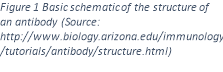
 Full size antibodies consist of a variable and a constant region. The variable region is responsible for antigen recognition and binding. The constant region is responsible for cell recognition, complement fixation and other effector functions. This region is not required for antigen recognition so it is possible to engineer smaller fragments that still retain specificity (Fischer et al., 2003). Examples of these derivatives include Fab fragments and single chain Fv fragments (scFvs). Advantages of these fragments are that they are less immunogenic and have increased penetration of target tissues due to their size. Plant antibody production is often centred on production of fragments for these very reasons (Makvandi-Nejad et al., 2005).
Production of full size mAbs requires expression of two different genes to produce both heavy and light chains (Giritch et al., 2006). Agrobacterium-mediated transformation and particle bombardment are two common methods to produce stable transformations. Both genes can be introduced in a single transformation event. Or, more commonly, each gene is inserted into different plants which can then be crossed to produce transgenic descendants than express both genes. This method allows screening for high expression levels to optimise the quantity of full-size mAb produced from the resulting transgenic line (Ko et al., 2009).
Can You Help with Literature Reviews?
Definitely! Our writers craft comprehensive literature reviews, synthesizing sources to support your research with clarity and depth. We ensure every source is relevant and properly cited. Literature reviews require critical analysis and thematic organization that our experts deliver consistently. Just provide your topic or sources to get started. Research essay service includes meticulous literature synthesis for scholarly credibility.
But crossing of generations can be taken a step further. The transgenic plant expressing full size mAb can be crossed with another transgenic line expressing other foreign genes. Examples include an antibody with different specificity or human-specific glycosylation enzymes (Ko et al., 2009).
As mentioned above, the chloroplast genome can be modified to express foreign genes too. Chloroplasts are capable of secreting properly folded antibodies, but are unable to perform glycosylation. Work continues into incorporating glycosylation machinery into chloroplasts and this location may prove ideal for expression of human mAbs.
The third method of introducing foreign genetic material into plants is the use of viral-based vectors for transient expression. Viral vectors are modified to accommodate the gene to be introduced into the plant. As the virus infects the plant, the foreign proteins are expressed as a by-product of viral replication.
As an enhancement to this method, Giritch et al. (2006) used two different non-competing vectors (tobacco moasic virus and potato virus X) modified to each express a different antibody chain. The synchronous co-infection of Nicotiana bethamiana with Agrobacterium and subsequent co-expression resulted in full size mAb production. This transient modification of plants, referred to as magnifection, was able to produce mAb just 14 days after transformation (Table 2).
What Payment Methods Do You Accept?
We accept major credit cards, PayPal, and secure bank transfers, all processed through encrypted systems for your safety. Your financial security is our priority. Multiple payment options ensure convenience for students worldwide. Choose the method that works best for you at checkout. Essay helper services accommodate various payment preferences for global accessibility.
Transient modification can produce high levels of mAb in a short period of time but doesn’t result in stably modified plants that can be cross-bred to introduce further modifications.
|
Production system
|
Time to milligrams of mAb
|
Time to grams of mAb How Do You Handle Group Projects?We can write sections for group projects, ensuring consistency with your teams style and integrating seamlessly with other parts. Our writers collaborate to match your groups vision. Coordinated group work requires attention to unified tone and formatting standards. Upload any shared guidelines to keep everything aligned. Paper writing for collaborative assignments maintains cohesion across all contributed sections.
|
|
Mamallian cell culture
|
2-6 months
|
6-12 months
|
|
Transgenic animals
|
>12 months Can You Assist with Grant Proposals?Yes, our writers have experience crafting compelling grant proposals, tailored to meet funding requirements with persuasive arguments. We help you make a strong case for funding. Successful proposals require strategic narrative and evidence-based justification that we specialize in. Provide your guidelines, and we will deliver a winning proposal. Assignment writer expertise extends to professional grant writing with proven success rates.
|
>12 months
|
|
Stable transgenic plants
|
12 months
|
>24 months
|
|
Magnifection What Is Your Turnaround for Editing?Editing typically takes 24-48 hours, depending on paper length, with rush options available for faster delivery. We polish your work to perfection quickly. Our editors focus on enhancing academic tone while maintaining your original ideas and arguments. Upload your draft to start the process today. Assessment help through editing services delivers professional refinement on tight schedules.
|
14 days
|
14-20 days
|
Table 2 – time taken to produce quantities of mAb using different production systems (Hiatt and Pauly, 2006)
Each of these methods discussed are likely to have their role in the commercial production of mAbs, although chloroplast transformation will be most suited to proteins that don’t require glycosylation. Transient methods are focused on speed of mAb production and are therefore most useful in initial research and evaluation purposes. Systems of stable transformation require a long timeframe to select and cross transgenic plant lines. But these methods offer the most potential for upscaling of production. Future production systems are likely to employ transient methods for evaluation of antibody candidates, followed by large-scale production using stably modified plants.
Can You Write for Non-Academic Purposes?
Success! We handle professional documents like reports or personal statements, customized to your goals and audience. Our versatile writers adapt to any context. From business reports to scholarship essays, we deliver professional-quality writing beyond academics. Just specify your needs in the order form. Ace my homework extends beyond coursework to career-focused writing projects.
Case Study – CaroRx
CaroRx is a good example of the excitement and promise that plant biotechnology created. It was the first plant-derived pharmaceutical mAb to undergo phase II clinical trials and was created by Planet Biotechnology. It is specific for the adhesin produced by Streptococcus mutans, the leading cause of tooth decay and is designed to prevent the bacteria adhering to teeth. This treatment was expected to revolutionise the prevention of dental caries. Clinical research showed that the drug could prevent recolonization with S. mutans for up to 2 years (Weintraub et al., 2005; Ma and Lehner, 1990).
Unfortunately progress on the development of this drug appears to have halted. There have been no publications in over a decade, no release of any new trial results and the Planet Biotechnology website has recently been edited to remove all reference to CaroRx as one of the company’s products.
Case Study – P2G12
P2G12 is a plant-produced recombinant secretory IgA that has neutralising activity against HIV (Paul et al., 2014). It was developed by Pharma-Planta, a collaborative project formed in 2004 as a result of EU funding. It had the objective of developing plant-based pharmaceutical proteins with the ultimate aim of running a phase I human trial. This vision was realised in 2011 when MHRA approved phase I trials for P2G12. It was the first plant-derived drug to be approved for human trials in Europe. Trials ran from June to November 2011 using 11 healthy female volunteers. It was conducted at the University of Surrey Clinical Research Centre using N. tabacum plants grown in containment greenhouses at the Fraunhofer Institute Center for Molecular Biotechnology. This early study was purely about safety of the drug and will not demonstrate its effectiveness one way or another.
2G12 is a mAb that has broad neutralising activity against HIV-1 that recognises several N-linked glycans on the gp120 envelope glycoprotein (Trkola et al., 1996). P2G12 is 2G12 manufactured from transgenic tobacco plants. 2G12 is usually produced by mammalian cell culture (Chinese hamster ovaries) but this method cannot produce enough antibody to address future needs as demand increases. Production costs may also be 10-100 times lower than conventional production methods (Flego et al., 2013).
Currently no results of the study are available, but it is hoped that P2G12 can eventually be used as part of a cocktail of drugs to prevent HIV transmission.
How Do You Ensure Writer Expertise?
Our writers are vetted for degrees and expertise, with ongoing evaluations to maintain high standards across all subjects. This ensures your paper is handled by a true professional. Regular quality audits and performance reviews keep our team at peak excellence. Trust us to match you with the right expert. Research study bay maintains rigorous quality control through continuous writer assessment.
Summary
Despite significant advances in methodology in the last two decades, wide scale production of mAbs in plants still remains frustratingly elusive. Indeed there is not a single therapeutic mAb on the market produced from plants. The most developed products are still many years away from authorisation for routine human use.
Progress appears to be mixed. Recent developments have seen a plant-derived mAb enter phase I trials. But work on the very first human-tested plant-derived mAb (CaroRx) appears to have ceased. Giritch at al. (2006) describe a situation in which “the idea of industrial-scale antibody production in plants has been abandoned by most companies.” Although current findings show that conclusion to be a little pessimistic, progress in the last two decades has certainly not lived up to expectation.
References
De Moynck B, Navarre C and Boutry M, 2010. Production of Antibodies in Plants: Status after Twenty Years. Plant Biotechnology Journal, 8; 529-563.
Chen Q, 2008. Expression and Purification of Pharmaceutical Proteins in Plants. Biological Engineering, 1(4); 291-321.
Ecker DM, Jones SD and Levine HL, 2014. The Therapeutic Monoclonal Antibody Market. mAbs [online], 7(1); 9-14. Available at: http://www.tandfonline.com/doi/full/10.4161/19420862.2015.989042.
Fischer R, Twyman RM and Schillerg S, 2003. Production of Antibodies in Plants and Their Use for Global Health. Vaccine. 21;820-825.
Flego M at al., 2013. Clinical Development of Monoclonal Antibody-based Drugs in HIV and HCV Diseases. Biomed Central Medicine [online], 11(4). Available at: http://www.biomedcentral.com/1741-7015/11/4.
Can I Request Unlimited Revisions?
We offer free revisions within 7 days; additional revisions are available at a small cost if needed beyond that period. Your satisfaction is our goal. Most students find our first delivery meets expectations, but we are flexible for perfectionism. Contact support to discuss any extra changes you need. Ace tutors remain committed to perfecting your work through reasonable revision requests.
Giritch A et al., 2006. Rapid High-yield Expression of Full-Size IgG Antibodies in Plants Coinfected with Noncompeting Viral Vectors. PNAS, 103(40); 14701-14706.
Hiatt A and Pauly M, 2006. Monoclonal Antibodies from Plants: A New Speed Record. PNAS, 103(40); 14645-14646.
Hiatt A, Cafferkey R and Bowdish K, 1989. Production of Antibodies in Transgenic Plants. Nature, 342(6245); 76-78.
Kelley B, 2007. Very Large Scale Monoclonal Antibody Purification: The Case for Conventional Unit Operations. Biotechnology Progress, 23(5); 995-1008.
Ko K, Brodzik R and Steplewski Z, 2009. Production of Antibodies in Plants: Approaches and Perspectives. Current Topics in Microbiology and Immunology, 332; 55-78.
Kohler G and Milstein C, 1975. Continuous cultures of fused cells secreting antibody of predefined specificity. Nature, 256; 495-497.
What Is Included in Your Outlines?
Our outlines detail structure, key points, and sources, giving you a clear roadmap for your paper before writing begins. They are designed to keep your project focused and on track. A well-crafted outline serves as both planning tool and progress checkpoint. Request an outline with your order for added clarity. Essay writer planning includes comprehensive outlines that guide the entire writing process.
Ma JK-C and Lehner, T, 1990. Prevention of Colonization of Streptococcus mutans by Topical Application of Monoclonal Antibodies in Human Subjects. Archives of Oral Biology, 35(S);S115-S122.
Makandi-Nejad S et al., 2005. Transgenic Tobacco Plants Expressing a Dimeric Single-Chain Variable Fragment (scFv) Antibody Against Salmonella enterica serotype Paratyphi B. Transgenic Research, 14;785-792.
Marquet-Blouin E, Bouche FB, Steinmetz A, Muller CP, 2003. Neutralizing Immunogenicity of Transgenic Carrot (Daucus carota L.)-derived Measles Virus Hemagglutinin, Plant Molecular Biology, 51(4);459-469.
Paul M et al., 2014. Characterization of a plant-produced recombinant human secretory IgA with broad neutralizing activity against HIV. mAbs [online], 6(6); 1585-1597. Available at: http://www.tandfonline.com/doi/abs/10.4161/mabs.36336.
Postow MA et al., 2015. Nivolumab and Ipilimumab versus Ipilimumab in Untreated Melanoma. The New England Journal of Medicine, 372; 2006-2017.
Trkola A etal., 1996. Human monoclonal antibody 2G12 defines a distinctive neutralization epitope on the gp120 glycoprotein of human immunodeficiency virus type 1. Journal of Virology. 70(2); 1100-1108.
Weintraub JA et al., 2005. Clinical Trial of a Plant-Derived Antibody on Recolonization of Mutans Streptococci. Caries Research, 39:241-250.
Yes, our writers excel in technical fields like engineering or IT, producing precise, well-documented papers for specialized topics. We ensure accuracy and clarity in every technical detail. Complex technical concepts are explained clearly without sacrificing academic depth. Share your requirements for a tailored result. My assignment help covers specialized technical subjects with field-specific expertise.