
Facing extinction; a study into the effects of Wildlife Crime on both African and Asian Elephant (Loxodonta africana, Elephas maximus) populations.
Introduction
Both African and Asian Elephants are listed on the IUCN red list with ratings of vulnerable and endangered respectively. Despite conservation efforts aiding the increase in African Elephant populations, Asian Elephant populations are still decreasing. Both African and Asian Elephants are protected under CITES (Convention on International Trade in Endangered Species of Wild Fauna and Flora) Appendix I except populations of Botswana, Namibia, South Africa and Zimbabwe where African Elephants are protected under Appendix II (Blanc, 2008; Choudhury et al., 2008). Appendix I protects all organisms that are at risk of extinction by disallowing any international trade in these species except when it is not for commercial purposes. Appendix II organisms are not considered to be in immediate danger of extinction but consist of species whose populations are showing a concerning decline. Strict regulations to prevent over-exploitation is in place regarding trading of these organisms but trading is still permitted (Stiles, 2004).
Already written your paper? Make it submission-ready.
Our professional editors fix grammar, clarity, structure, and referencing mistakes that spell-checkers miss. Choose light proofreading or full structural editing — your polished, properly cited draft is typically returned within 12 to 24 hours.
✓ Plagiarism-free · ✓ 100% human · ✓ Free revisions · ✓ Confidential
🔒 No payment to start · From 3 hrs
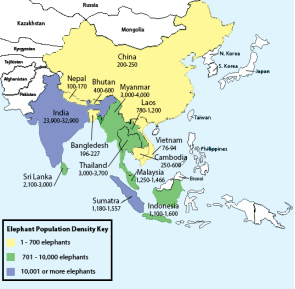
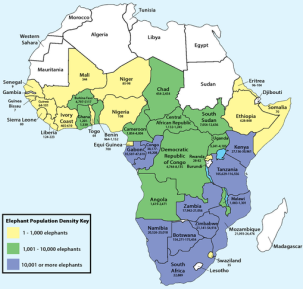 As older Elephants have bigger tusks, they are more desirable to poachers however the removal of older generations of Elephants with larger tusks is having disastrous effects on Elephant populations and their reproduction and is ultimately driving them towards extinction (Gobush et al. 2008; Ishengoma et al. 2008). Despite the rapid decrease of Elephant populations during the 1970’s and 1980’s and the consequent banning of Ivory trade, poaching is still prevalent today (Wasser et al., 2010). Wild elephants are also facing new threats from human-wildlife conflict. Due to an increase in urbanisation, elephant populations are being forced to live in smaller areas with growing contact with humans and livestock (Chen et al., 2013; Gillson and Lindsay, 2003). In China alone, urbanisation has more than doubled between 1960 and 2010 (Figure 3) and this has caused a decrease in Elephant populations within China with most Asian Elephants now residing in India. (Figure 1) Most African Elephants are found in the south away from growing populations in the north (Figure 2).
Figure 2. The population density of African Elephants. (Association of Zoos and Aquariums, 2009)
Already written your paper? Make it submission-ready.
Our professional editors fix grammar, clarity, structure, and referencing mistakes that spell-checkers miss. Choose light proofreading or full structural editing — your polished, properly cited draft is typically returned within 12 to 24 hours.
✓ Plagiarism-free · ✓ 100% human · ✓ Free revisions · ✓ Confidential
🔒 No payment to start · From 3 hrs
